
"washed coffee grades"
9000 article(s) found

What are the classification standards of coffee beans G1, G2, G3, G4, AA, PB, SHB?
Professional coffee knowledge exchange More coffee bean information Please pay attention to coffee workshop (Weixin Official Accounts cafe_style)
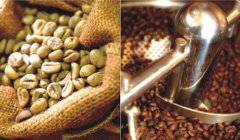
Basic screening of Coffee beans: a National system for screening and grading of Coffee beans
For the exchange of professional baristas, please follow the coffee workshop (Wechat official account cafe_style) Coffee bean screening and grading national system National Systems for Sorting and Grading Coffee clearly marked for different quality of coffee, such as Brazil, classified by coffee variety, or by shipping port name (such as Santos Santos, Parana Parana).
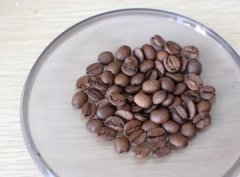
Standard for grading coffee beans
There are two ways to grade coffee beans, one is to filter the number of points, one is to elevation points. It is divided by the filter number and the size is determined by the mesh size. Round beans are generally smaller than flat beans, round beans between 8-13, flat beans between 12-29. 8,9,10... 12,13... 18... 29 = Small, Medium, Normal... It's a big... big, extra big. The bigger the number, the bigger the bean. Like SC
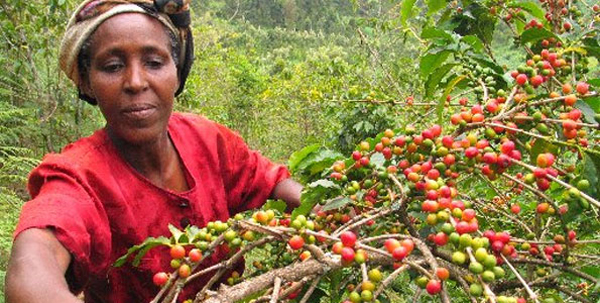
About Ethiopia coffee beans grade analysis to understand the quality of coffee beans classification
Ethiopian coffee beans are divided into five grades. The first and second stages are water-washed beans. Grade1 means 0~3 defective beans per 300 g of raw beans;Grade2 means 4~12 defective beans per 300 g. Grade 1 washed beans are extremely rare and generally difficult to buy. At present, all washed beans exported from Ethiopia are Grade2. The quality of sun-dried beans is Grade3 and Grade4 in sequence.

Introduction of Ethiopian Coffee Grade Analysis of Ethiopian Coffee beans
Ethiopian coffee beans are divided into five levels. The first and second stages are washed beans. Washed beans Grade1 represents 3 defective beans per 300g raw beans, and Grade2 represents 4 defective beans per 300g. Gradc1 grade water washed beans are very rare and are generally difficult to buy. At present, all the washed beans exported from Ethiopia are Grade2 grade. The quality of sun-dried beans is Grade3 and Grad in order.
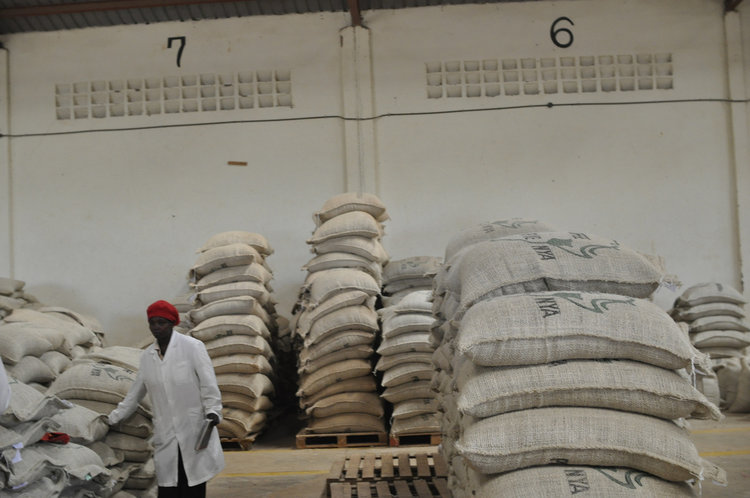
Yega Sheffield Wauka Coffee beans Flavor characteristics of Yega Chuefei Water washed Wauka Coffee beans
Yega Xuefei's coffee trees were planted by European monks (somewhat similar to Belgian monks who advocated planting wheat and brewing beer), and were later transferred to farmers or cooperatives. Yega Xuefei is actually built by surrounding coffee communities or cooperatives, including Edido, Hafusha, Hama and Bdon near the Fog Valley. Most coffee beans are washed with water, but also

Graded coffee raw bean treatment
At present, there are three main rating criteria for raw coffee beans, and different countries adopt different rating methods according to their own production conditions and national conditions (not all coffee producing countries adopt the same method). Let's introduce these three popular rating methods. One: the reason for the emergence of such a classification standard according to the altitude of the coffee producing area is mainly because of the high level.
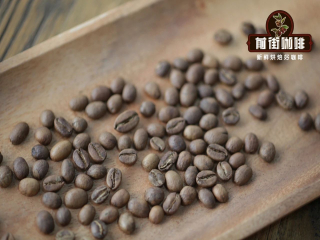
What's the difference between G1 and G2 Yega Xuefei? Classification of coffee beans in Ethiopia
We know that coffee beans are usually graded according to the actual situation of the growing country, such as Kenyan coffee, altitude, blue mountain coffee, and coffee defect rate, such as Ethiopian coffee. Ethiopia, as the gene bank of Arabica, has a wide variety of coffee.
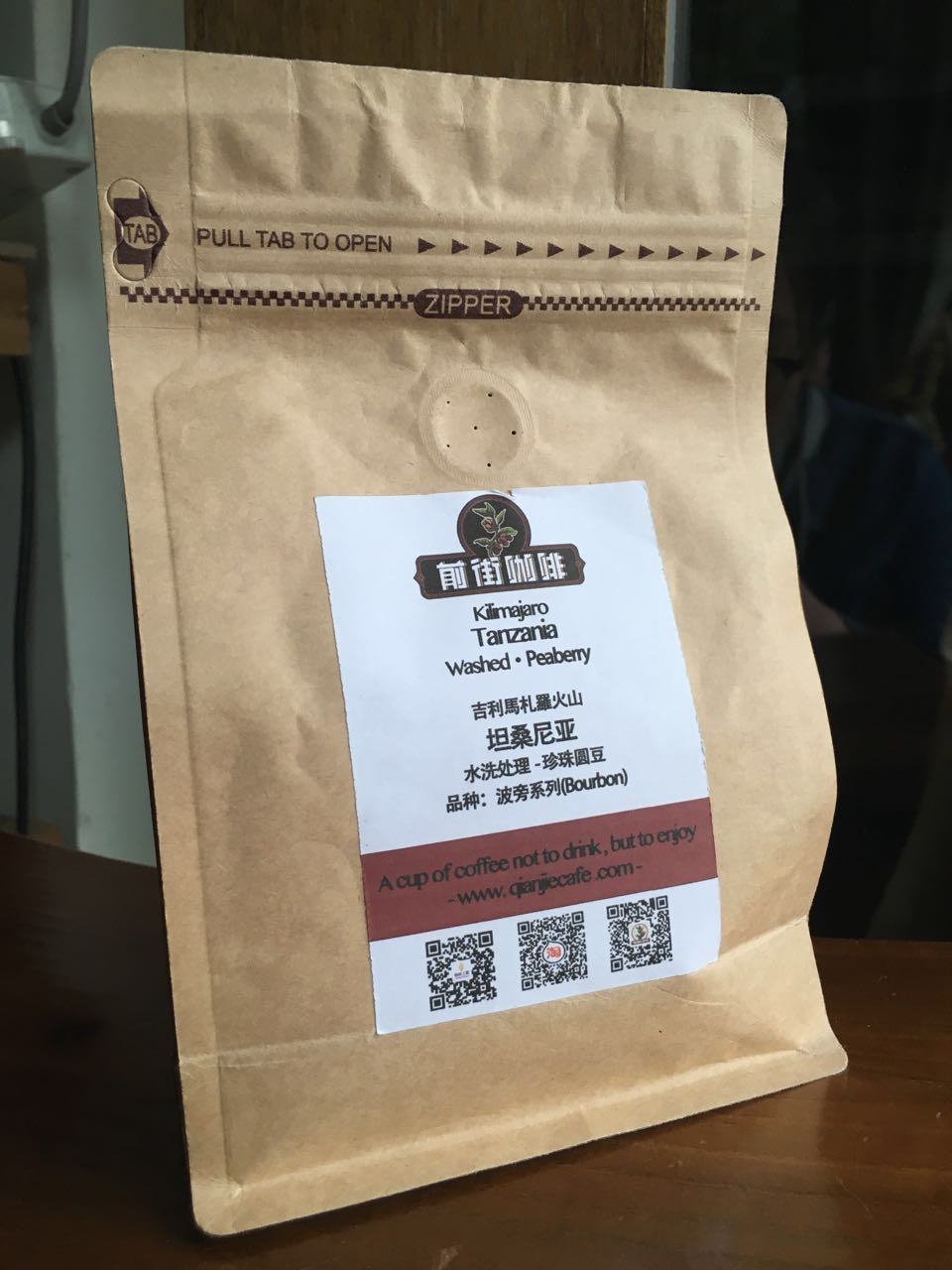
Ethiopian coffee beans introduce the characteristics of Ethiopian coffee beans
Ethiopian coffee beans are divided into five levels. The first and second stages are washed beans. Washed beans Grade1 represents 3 defective beans per 300g raw beans, and Grade2 represents 4 defective beans per 300g. Gradc1 grade water washed beans are very rare and are generally difficult to buy. At present, all the washed beans exported from Ethiopia are Grade2 grade. The quality of sun-dried beans is Grade3 and Grad in order.

Graded high-quality coffee beans
There are two ways to classify raw coffee beans, one is the filter number, and the other is the elevation. It is divided by the number of the filter screen, and the size is in the unit of the screen (size). Round beans are generally smaller than flat beans, between 8-13 and 12-29. 8, 9, 10. 12, 13. 18. 29 = small, medium, ordinary. Quasi-big. Big, extra large. The bigger the size, the bigger the beans. Like SC.
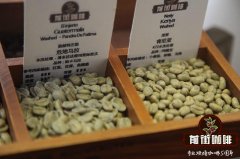
Grade and Specification of Coffee beans Coffee Grade Classification and Coffee Grade Pyramid
Professional coffee knowledge exchange more coffee bean information please pay attention to the coffee workshop (Wechat official account cafe_style) the latest coffee raw bean knowledge collation: coffee bean grade and naming law coffee bean grade and specification at present each producing country has its own independent standard. The most commonly used criteria are as follows: a: washed / non-washed B: flat beans / round beans
There are two ways to grade green coffee beans.
There are two ways to grade coffee beans, one is to filter the number of points, one is to elevation points. The size of the round beans is generally smaller than the flat beans, the round beans are between 8-13, and the flat beans are between 12-29. 8,9,10... 12,13... 18... 29= ,,......, Extra large. The bigger the number, the bigger the bean. SC-19, for example, is bean number 19.

Quality grading of boutique Coffee Bean grading system
There is no internationally accepted standard for coffee quality grading, and the grading method varies from country to country. Therefore, coffee classification is based on some of the characteristics applicable to each producing country. The sample of coffee beans taken from a bag is judged according to the standards of the producing country, the samples are rated, and most of the coffee is good or bad according to the evaluation.
Basic knowledge of fine coffee grading of raw coffee beans
At present, there are three main rating criteria for raw coffee beans, and different countries adopt different rating methods according to their own production conditions and national conditions (not all coffee producing countries adopt the same method). Let's introduce these three popular rating methods. One: the reason for the emergence of such a classification standard according to the altitude of the coffee producing area is mainly because of the high level.
Grading standard of raw coffee beans
There are two ways to classify brown raw beans, one is to filter the number, and the other is to divide it by elevation. It is divided by the number of the filter screen, and the size is in the unit of the screen (size). Round beans are generally smaller than flat beans, between 8-13 and 12-29. 8, 9, 10. 12, 13. 18. 29 = small, medium, ordinary. Quasi-big. Big, extra large. The bigger the size, the bigger the beans. Like SC-1.

Standard for grading of fine coffee beans, common sense coffee and raw beans
It is divided by the number of the filter screen, and the size is in the unit of the screen (size). Round beans are generally smaller than flat beans, between 8-13 and 12-29. 8, 9, 10. 12, 13. 18. 29 = small, medium, ordinary. Quasi-big. Big, extra large. The bigger the size, the bigger the beans. SC-19, for example, is the No. 19 bean. According to the elevation of the cultivated land, it can be divided into seven grades.
Coffee Bean Quality Coffee Bean Quality Grading Coffee Bean Grading Tips
There is no internationally accepted standard for coffee quality grading, and the grading methods in each country are different. Therefore, coffee classification is based on a number of characteristics applicable to each producing country. Samples of coffee beans are taken from a bag and judged according to the standards of the country of production. These samples are rated according to the evaluation. Most coffee fractions are rated as good or bad.

Yega Sheffield Wauka Coffee, Yega Sheffield Wauka Water washing G1 Special Features
Professional Coffee knowledge Exchange more Coffee Bean Information Please note Coffee Workshop (Wechat account cafe_style) Front Street-washed Yega Chefevoca G1 coffee beans in Indonesia and Africa are divided into 6 grades, namely G1~G6. The highest grade of washed bean was G1 and G2, and that of Japanese bean was G1 and G3. What does that mean?
Ethiopian washed Sidama G1 Miyu micro-batch coffee beans flavor characteristics, production areas and brewing ginseng
Professional barista exchanges, please pay attention to coffee workshop (Weixin Official Accounts cafe_style ) Ethiopian coffee beans adopt this grading method according to the proportion of defective beans. Indonesian beans are mainly divided into 6 grades, namely G1G6. Ethiopia also uses this method, the highest grades of washed beans are G1 and G2; the highest grades of sun beans are G1 and G3. Wash: Grade-1;Grade-2 (G1G2) Days

How does it feel to wash Sidamo G1 honey?
Professional coffee knowledge exchange more coffee bean information please follow coffee workshop (Wechat official account cafe_style) washing: Grade-1;Grade-2 (G1G2) Sun: Grade-1 and Grade-3Grade-5 (G1G3G4G5) production area: Ethiopian Oromia species: Ethiopian native species Haiba: 2000 treatment: washing can be found in Ethiopia